
[:fr]
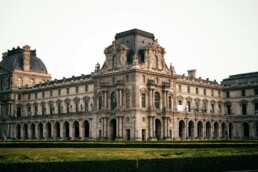
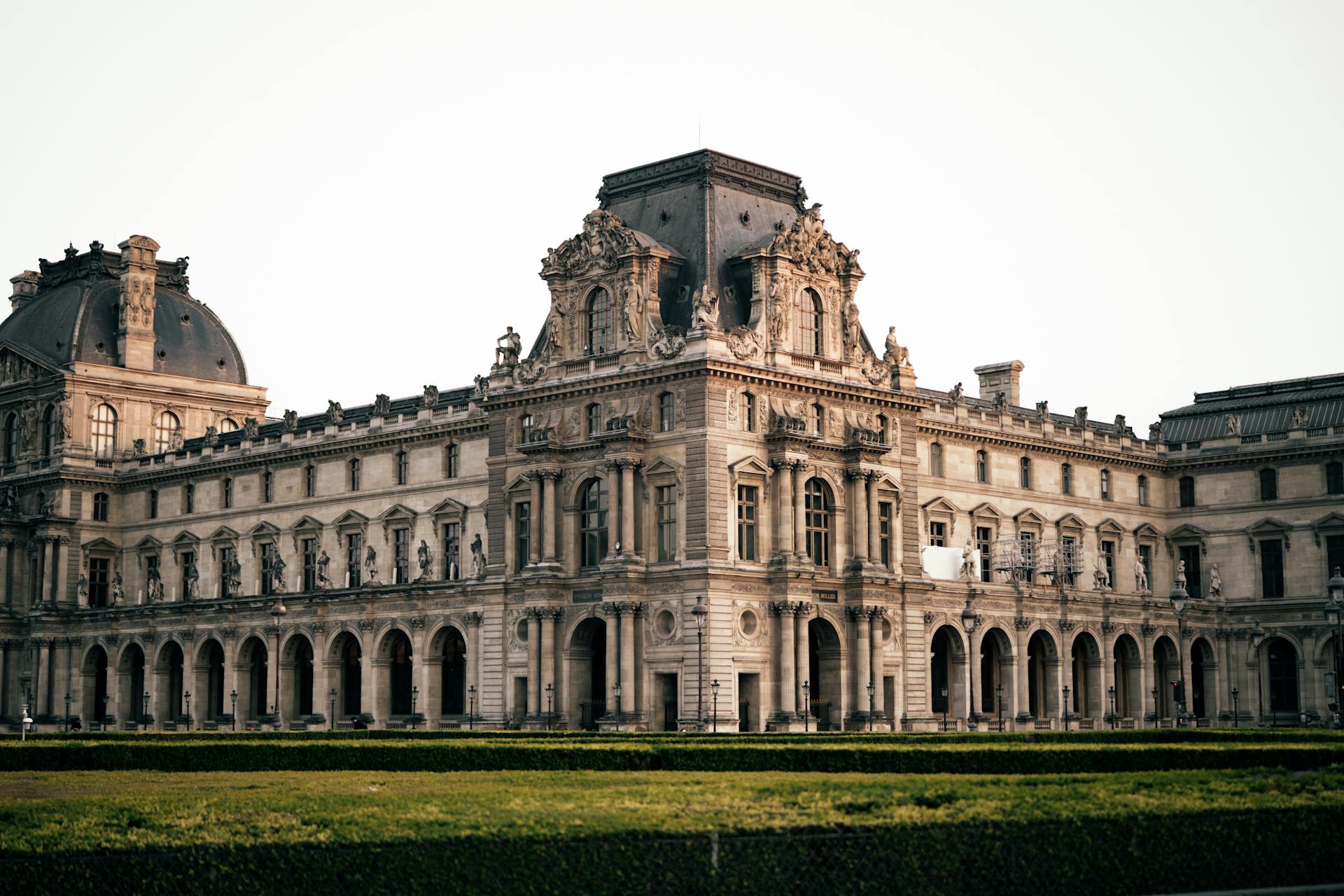
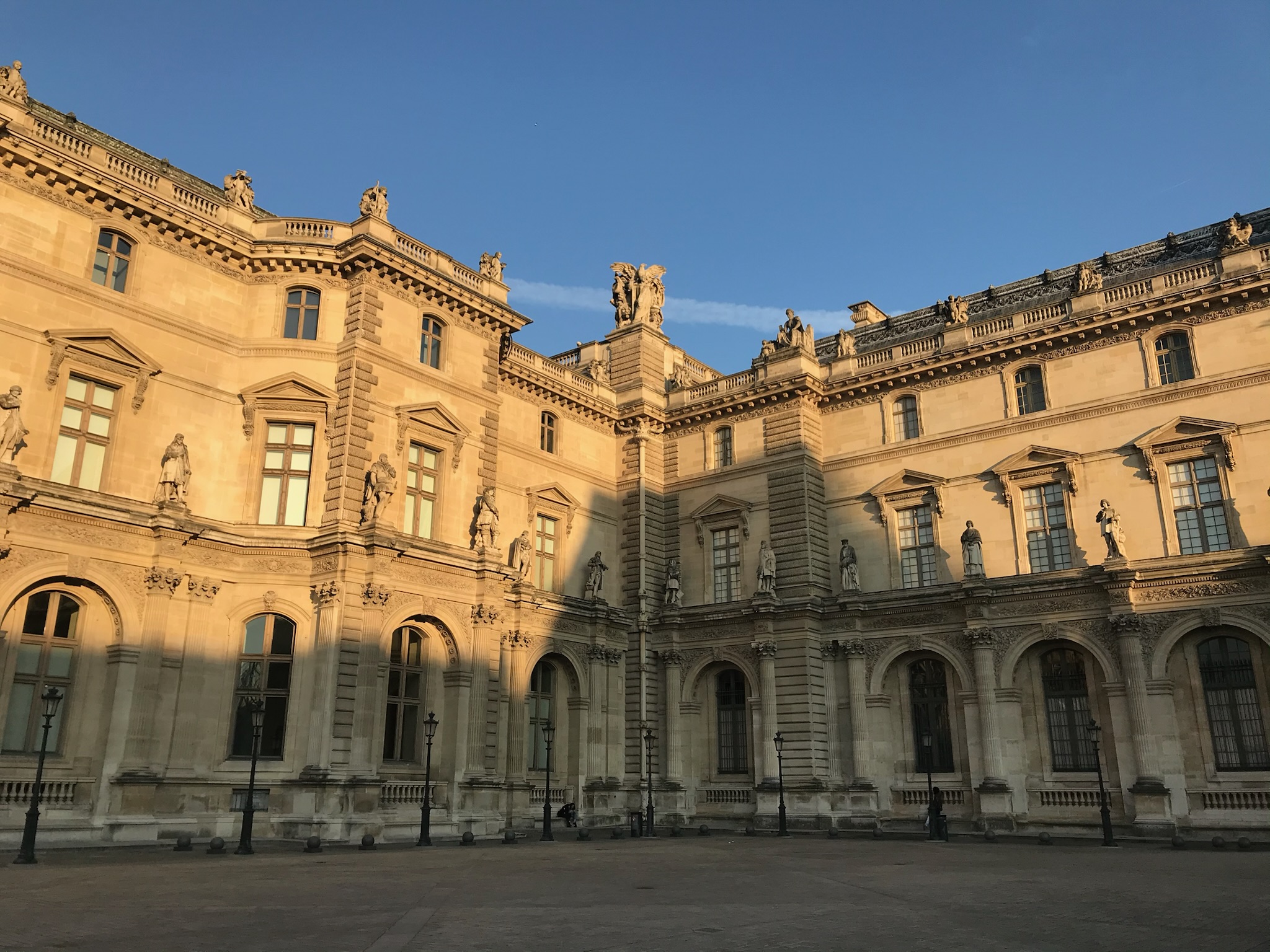
La présence massive et imposante du Louvre au cœur de Paris ne peut être simplement réduite à un enchevêtrement de pierres et de briques. Ce monument est le reflet d’une ambition humaine, un espace où l’art et l’histoire se côtoient, se disputent, et, finalement, se réconcilient. Le Louvre, c’est l’expression d’un désir, un lieu où se croisent les regards et les esprits, un théâtre où se joue, depuis des siècles, la grande comédie de l’humanité.
La genèse du Louvre remonte à 1190, lorsque Philippe Auguste décida de faire construire une forteresse pour protéger Paris. Ce château fort, avec ses tours et son donjon, était à la fois un symbole de pouvoir et une réponse à la peur de l’invasion. Mais l’histoire du Louvre, telle qu’on la connaît aujourd’hui, commence réellement à la Renaissance, lorsque François Ier, en véritable mécène des arts, transforma ce bastion militaire en une somptueuse résidence royale. Le Roi-Philosophe, épris de culture et d’humanisme, fit venir des artistes italiens, dont le célèbre Léonard de Vinci, qui traversa les Alpes avec quelques-unes de ses œuvres les plus précieuses, parmi lesquelles la mystérieuse Joconde.
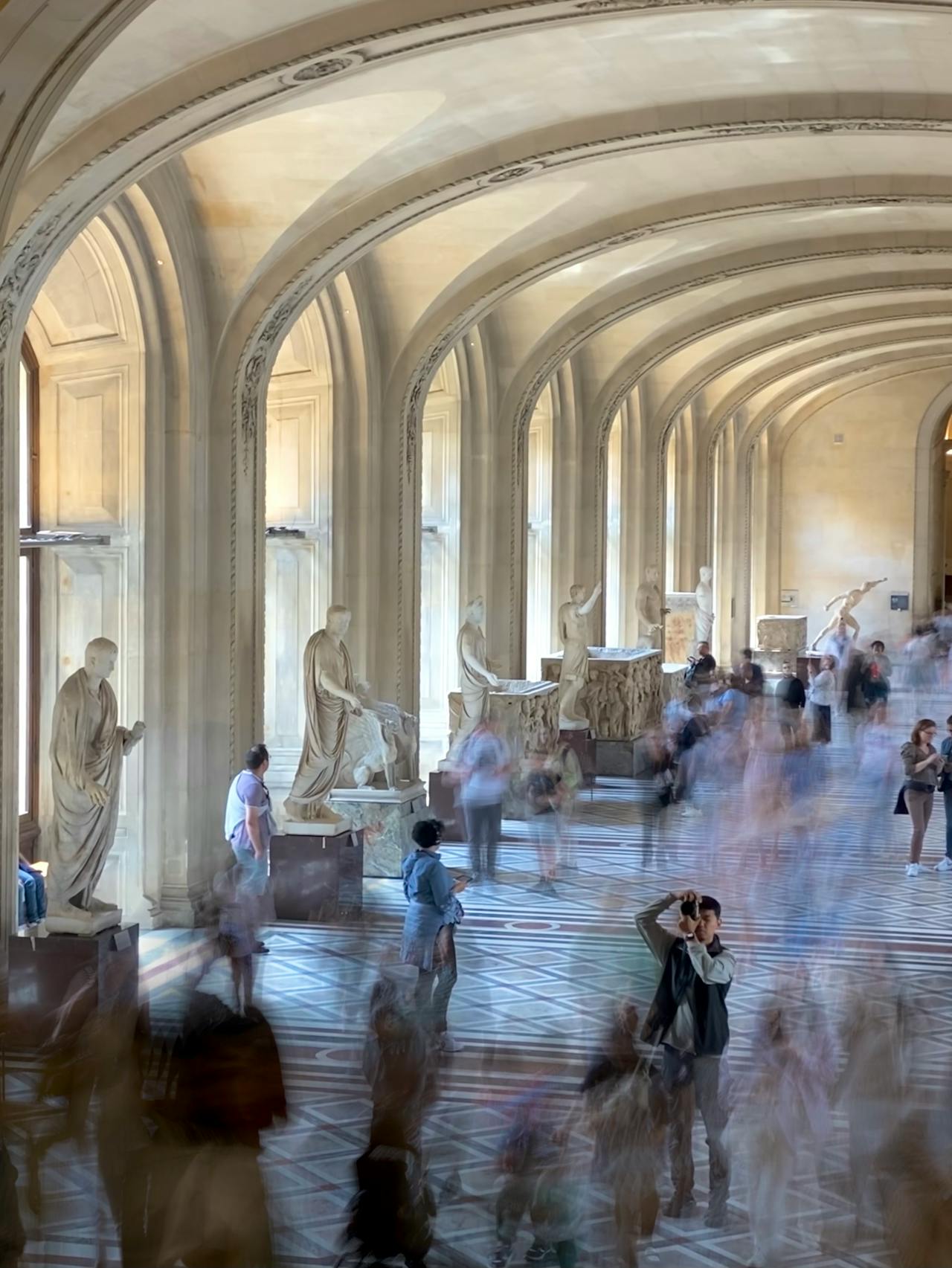
Je me souviens de mes premières visites au Louvre, de ces moments où, arpentant les immenses galeries, je ressentais le poids des siècles et des civilisations. Chaque tableau, chaque sculpture semblait murmurer une histoire, une quête de sens. Il y avait là une étrange alchimie entre le passé et le présent, entre la beauté et l’angoisse de la condition humaine. Les visiteurs, eux-mêmes, étaient pris dans ce tourbillon de réflexions et d’émotions, déambulant comme des ombres parmi les chefs-d’œuvre de l’art.
Ah, les anecdotes qui jalonnent l’histoire du Louvre! On raconte que Napoléon Bonaparte, lors de son sacre en 1804, fit poser la couronne impériale sur sa propre tête devant le tableau monumental de David, « Le Sacre de Napoléon ». Ce geste, empli d’orgueil et de défi, incarnait à la fois la grandeur et la vanité du pouvoir. Plus tard, lors de la Révolution de 1830, le Louvre devint le théâtre de violents affrontements entre les insurgés et les forces royales. Des œuvres d’art furent endommagées, témoignant de la fragilité et de la violence inhérentes à l’histoire humaine.
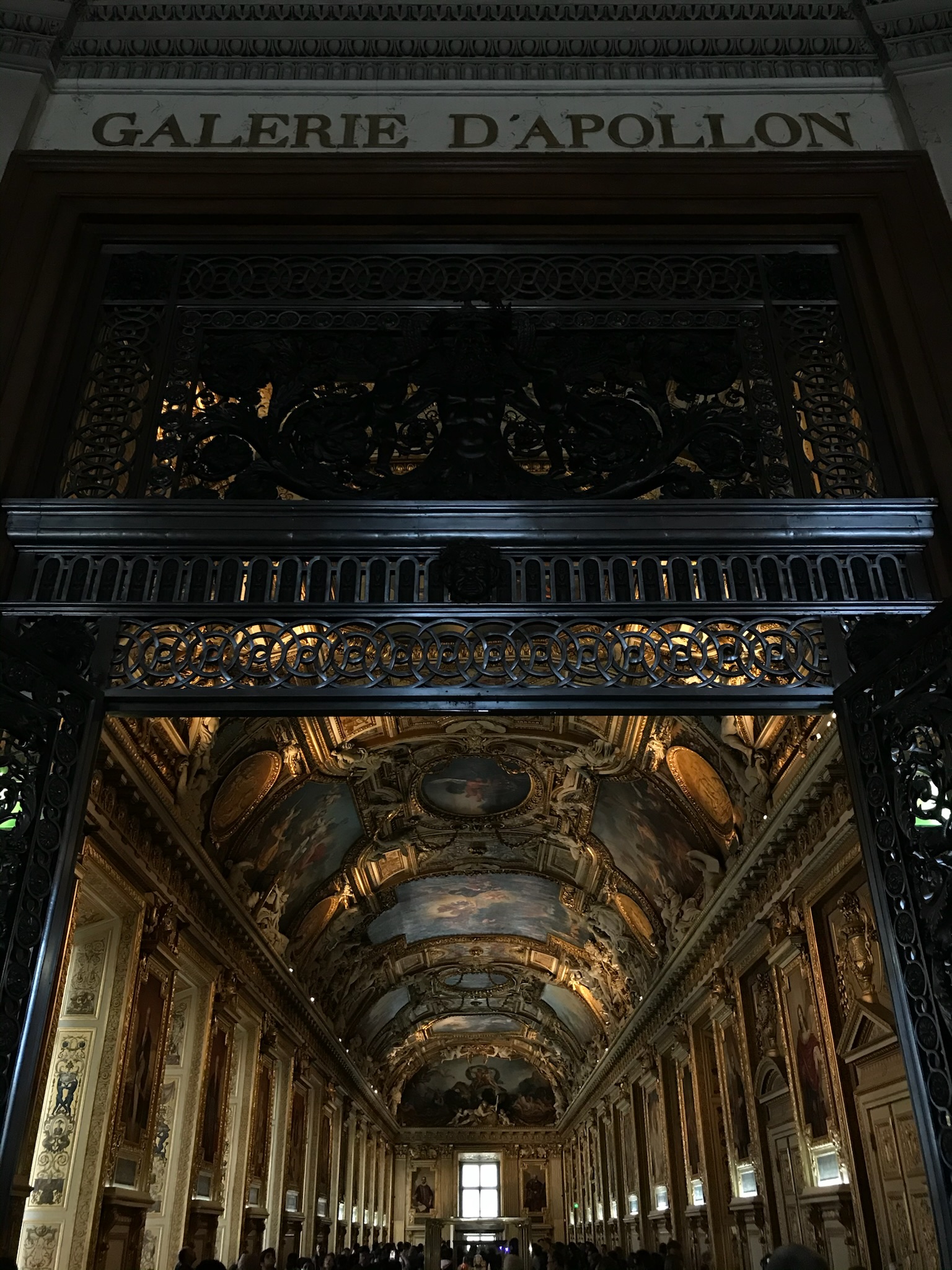
Le Louvre, c’est aussi l’histoire de rencontres improbables et de destins croisés. Un jour, alors que je flânais dans la galerie d’Apollon, je tombai sur un jeune artiste, absorbé par la copie d’un tableau de Delacroix. Sa concentration, presque hypnotique, semblait le détacher du monde extérieur. Nous échangeâmes quelques mots, et il me confia que c’était là, au Louvre, qu’il avait trouvé sa vocation, sa raison d’être. Cet instant, fugace mais intense, m’apparut comme une révélation de la puissance de l’art et de sa capacité à transcender les existences.
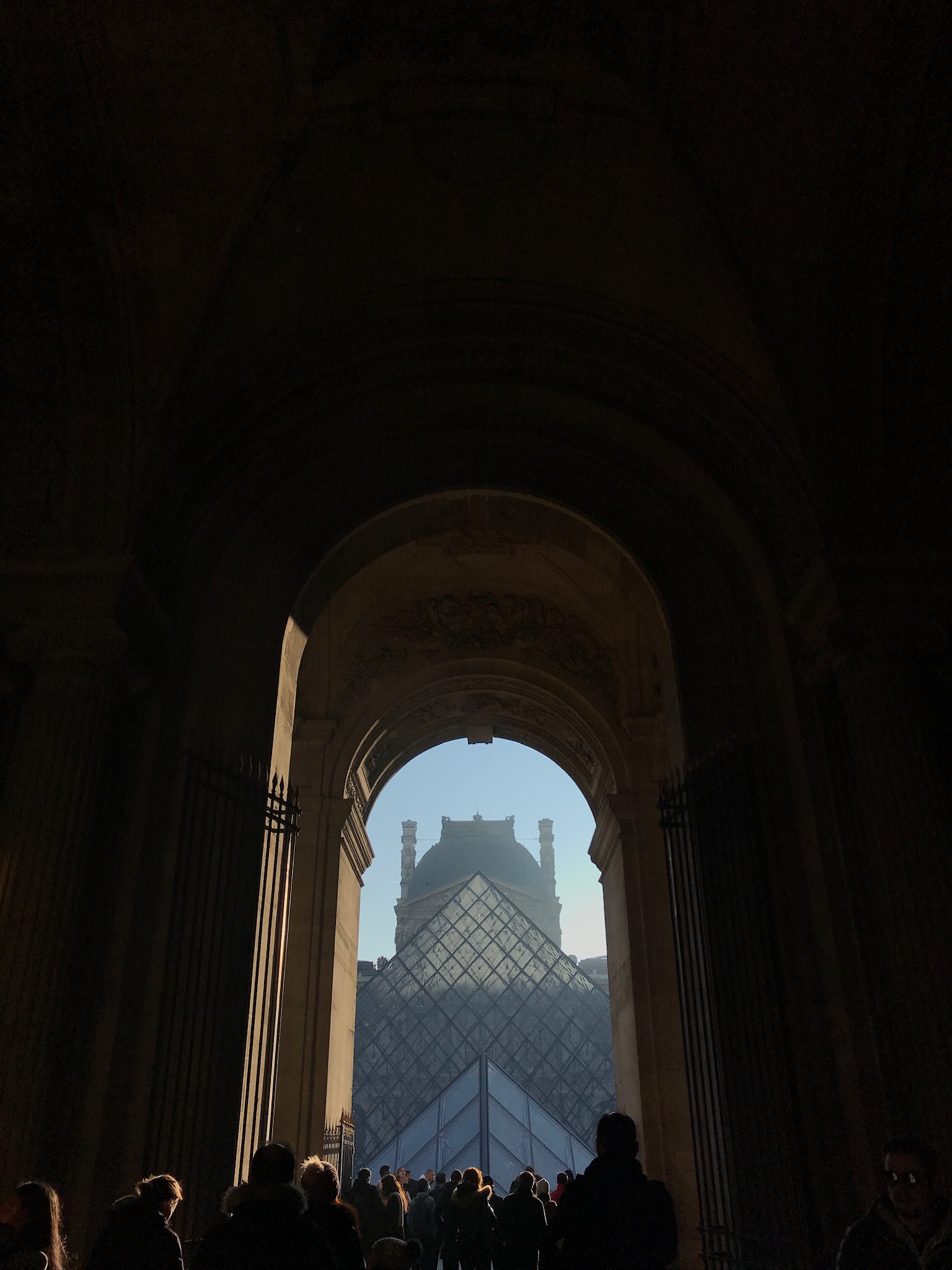
Avec le temps, le Louvre s’est métamorphosé. Les travaux colossaux entrepris sous Napoléon III, puis sous la République, ont fait de ce palais un musée universel, ouvert à tous les savoirs et à toutes les cultures. L’inauguration de la pyramide de verre en 1989, œuvre de l’architecte Ieoh Ming Pei, marqua un tournant audacieux dans l’histoire du musée. Ce contraste saisissant entre l’architecture classique et la modernité transparente symbolisait la volonté de Paris de rester à l’avant-garde de la culture et de l’innovation.
Aujourd’hui, le Louvre continue de fasciner et d’inspirer. Ses collections, riches et éclectiques, offrent un voyage à travers le temps et l’espace, une exploration des multiples facettes de l’esprit humain. Chaque visiteur, en pénétrant dans ce sanctuaire de l’art, devient un témoin de l’histoire, un acteur de la grande tragédie humaine. Ainsi, le Musée du Louvre n’est pas seulement un lieu de conservation. C’est un miroir de l’âme humaine, un espace où se déploient nos espoirs, nos peurs, nos contradictions.[:en]
The massive and imposing presence of the Louvre at the heart of Paris cannot simply be reduced to a tangle of stones and bricks. This monument is the reflection of human ambition, a space where art and history mingle, dispute, and finally reconcile. The Louvre is the expression of a desire, a place where gazes and minds intersect, a theater where, for centuries, the grand comedy of humanity has been performed.
The genesis of the Louvre dates back to 1190, when Philippe Auguste decided to build a fortress to protect Paris. This stronghold, with its towers and keep, was both a symbol of power and a response to the fear of invasion. But the history of the Louvre, as we know it today, truly begins during the Renaissance when François I, a genuine patron of the arts, transformed this military bastion into a sumptuous royal residence. The Philosopher King, enamored with culture and humanism, brought in Italian artists, including the famous Leonardo da Vinci, who crossed the Alps with some of his most precious works, among which the enigmatic Mona Lisa.
I remember my first visits to the Louvre, those moments when, walking through the immense galleries, I felt the weight of centuries and civilizations. Every painting, every sculpture seemed to whisper a story, a quest for meaning. There was a strange alchemy between the past and the present, between beauty and the anguish of the human condition. The visitors themselves were caught in this whirlwind of reflections and emotions, wandering like shadows among the masterpieces of art.
Ah, the anecdotes that punctuate the history of the Louvre! It is said that Napoleon Bonaparte, during his coronation in 1804, placed the imperial crown on his own head in front of David’s monumental painting, « The Coronation of Napoleon ». This gesture, filled with pride and defiance, embodied both the grandeur and the vanity of power. Later, during the Revolution of 1830, the Louvre became the theater of violent clashes between insurgents and royal forces. Works of art were damaged, bearing witness to the inherent fragility and violence of human history.
The Louvre is also the story of improbable encounters and crossed destinies. One day, while I was strolling through the Apollo Gallery, I came across a young artist, absorbed in copying a painting by Delacroix. His concentration, almost hypnotic, seemed to detach him from the outside world. We exchanged a few words, and he confided in me that it was there, at the Louvre, that he had found his vocation, his reason for being. This moment, fleeting yet intense, appeared to me as a revelation of the power of art and its ability to transcend existences.
Over time, the Louvre has metamorphosed. The colossal works undertaken under Napoleon III, and later under the Republic, transformed this palace into a universal museum, open to all knowledge and cultures. The inauguration of the glass pyramid in 1989, a work by architect Ieoh Ming Pei, marked a bold turning point in the museum’s history. This striking contrast between classical architecture and transparent modernity symbolized Paris’s determination to remain at the forefront of culture and innovation.
Today, the Louvre continues to fascinate and inspire. Its rich and eclectic collections offer a journey through time and space, an exploration of the many facets of the human spirit. Every visitor, upon entering this sanctuary of art, becomes a witness to history, an actor in the grand human tragedy. Thus, the Louvre Museum is not merely a place of conservation. It is a mirror of the human soul, a space where our hopes, fears, and contradictions unfold[:]