

[:fr]
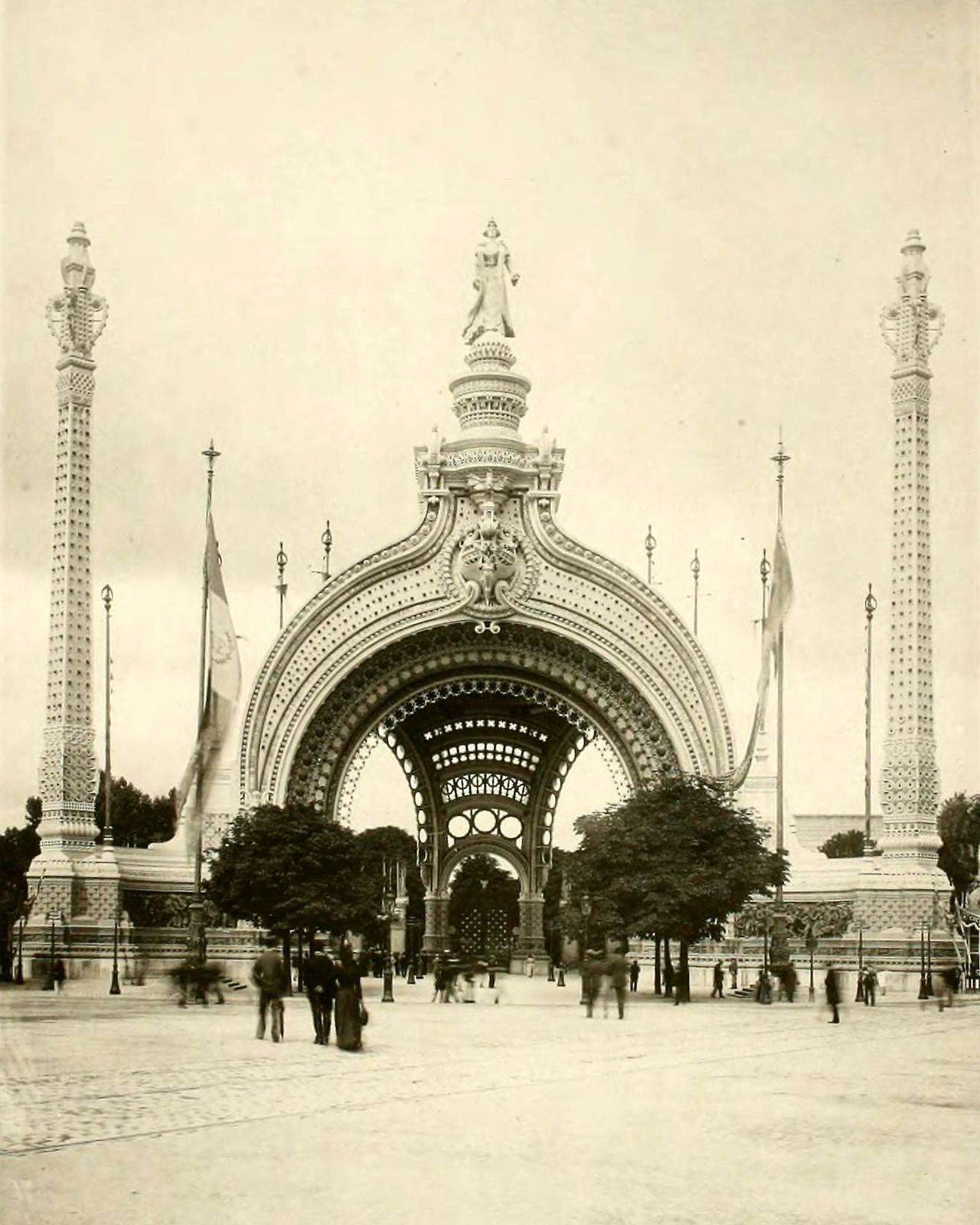
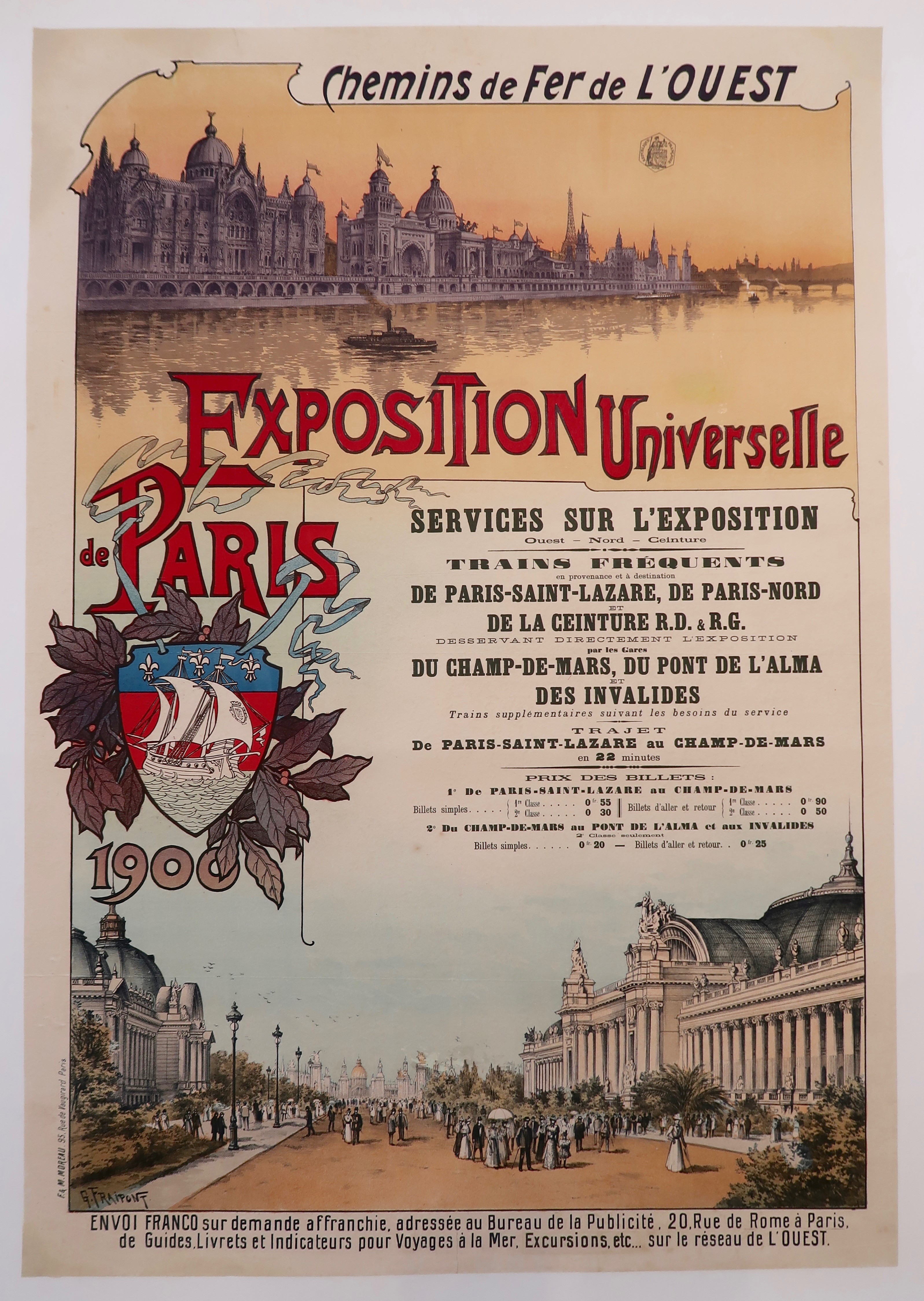
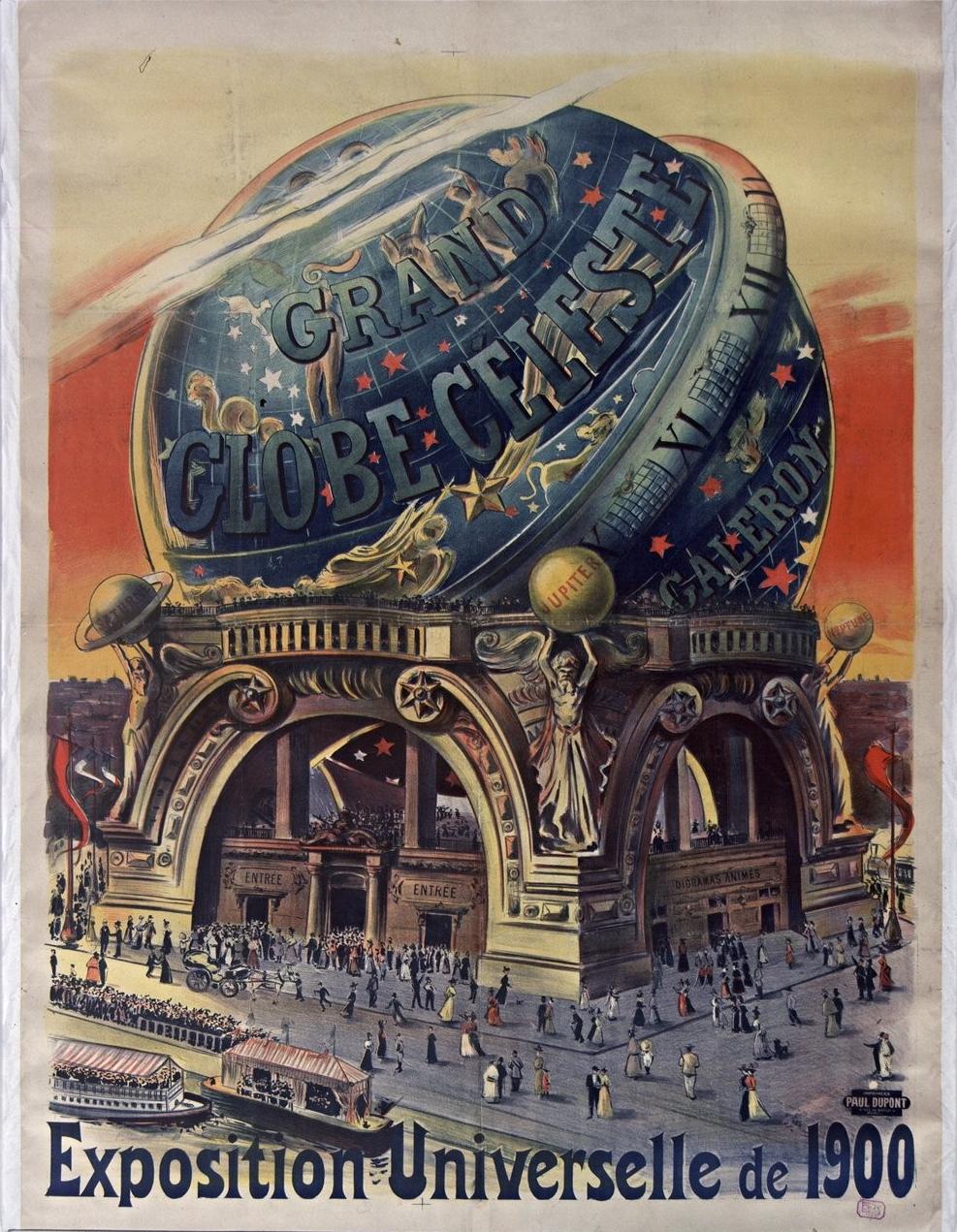
L’Exposition Universelle de 1900, qui s’est tenue à Paris, reste gravée dans les annales comme un moment de splendeur et d’innovation, où le monde entier semblait se donner rendez-vous dans la Ville Lumière. Cet événement grandiose, célébrant le passage au nouveau siècle, fut un véritable symbole de la modernité et de l’ambition humaine.
L’idée de cette exposition naquit dans une époque d’effervescence technologique et artistique, marquée par une foi inébranlable dans le progrès. C’était une époque où l’on croyait que le XXe siècle apporterait des solutions à tous les problèmes de l’humanité. Paris, avec son élégance et sa capacité à émerveiller, était l’hôte idéal pour cette manifestation planétaire.
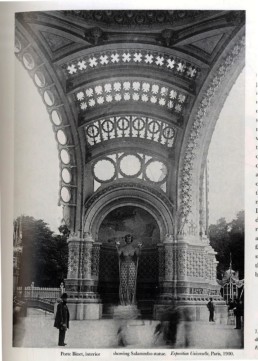
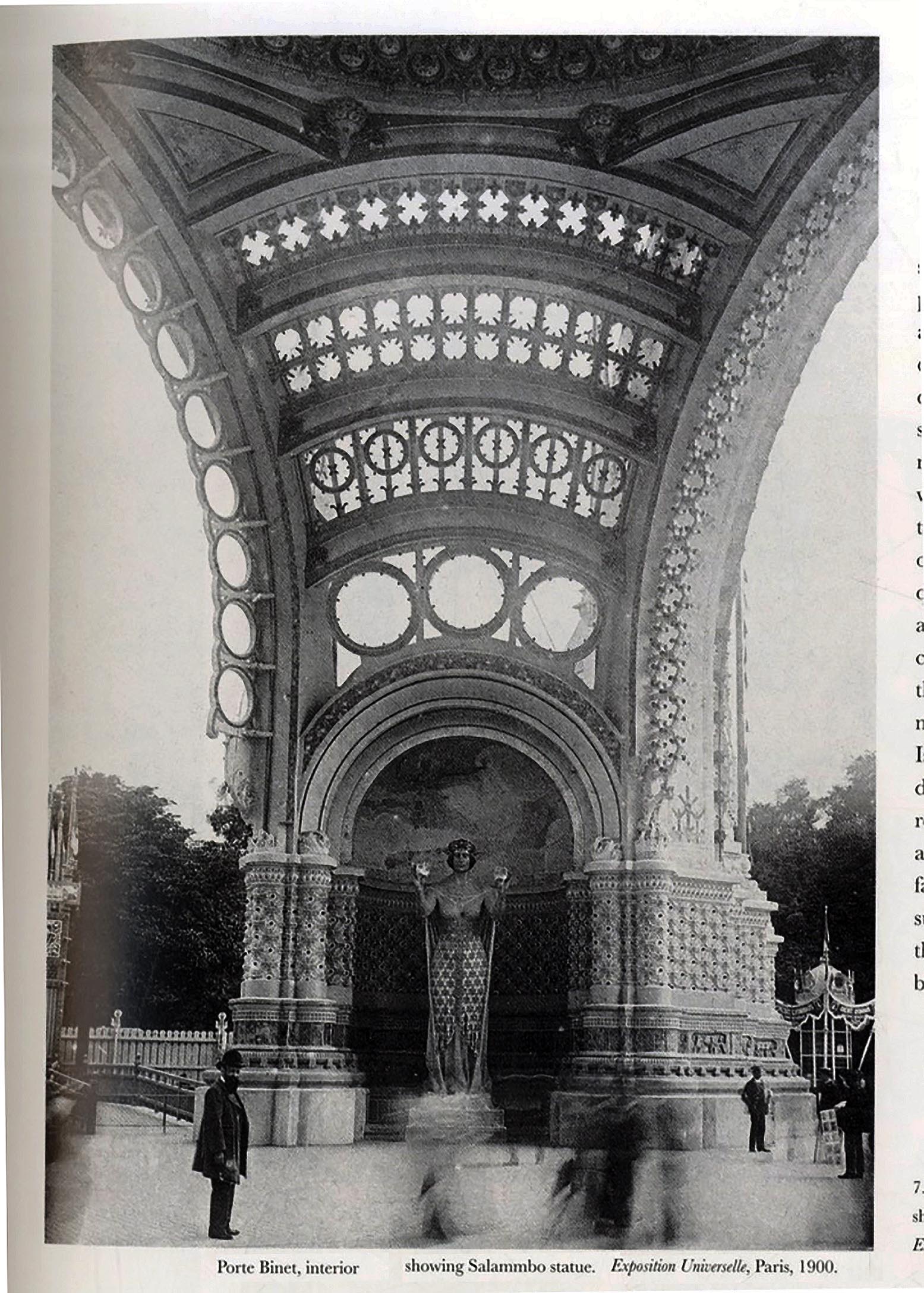
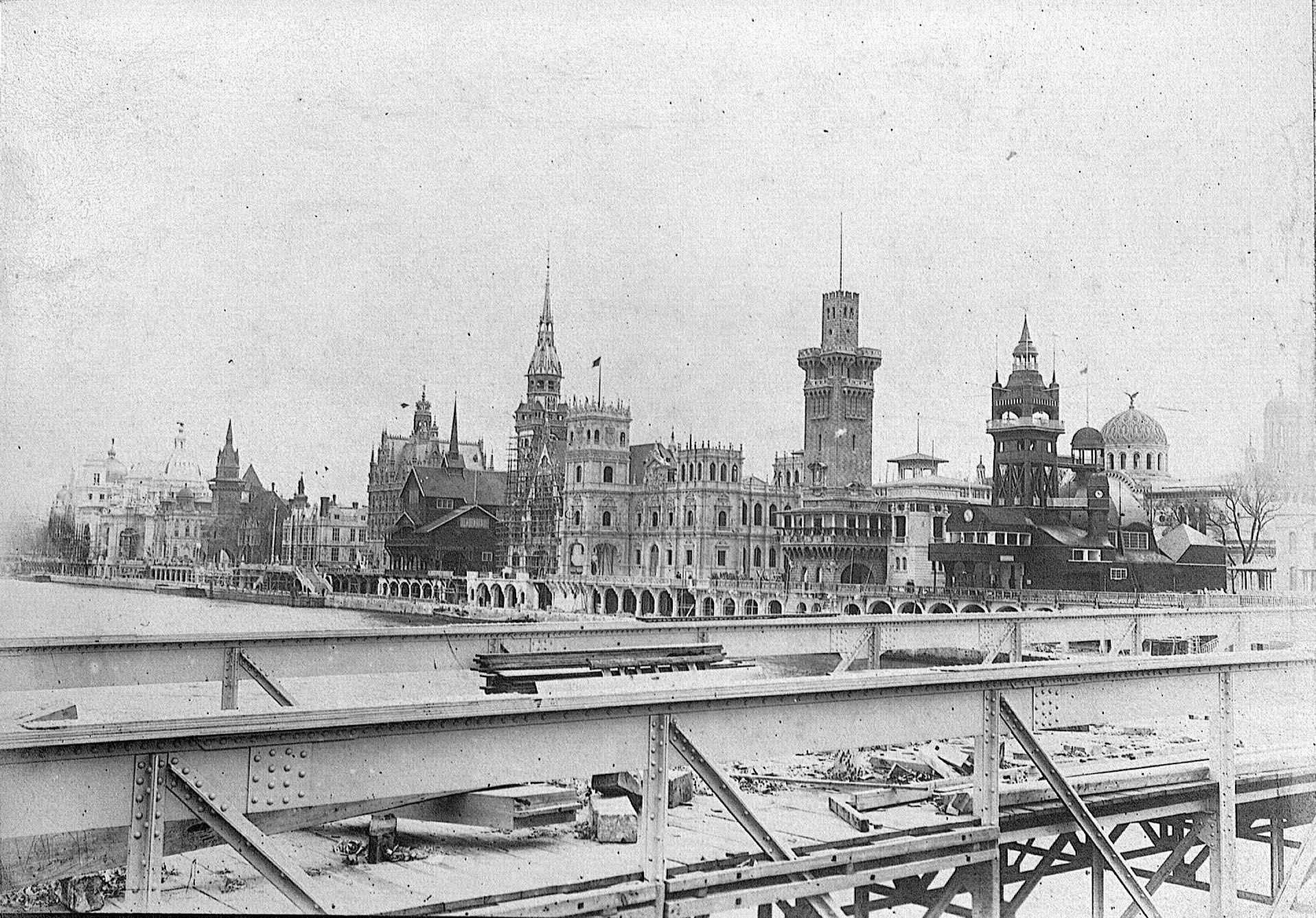
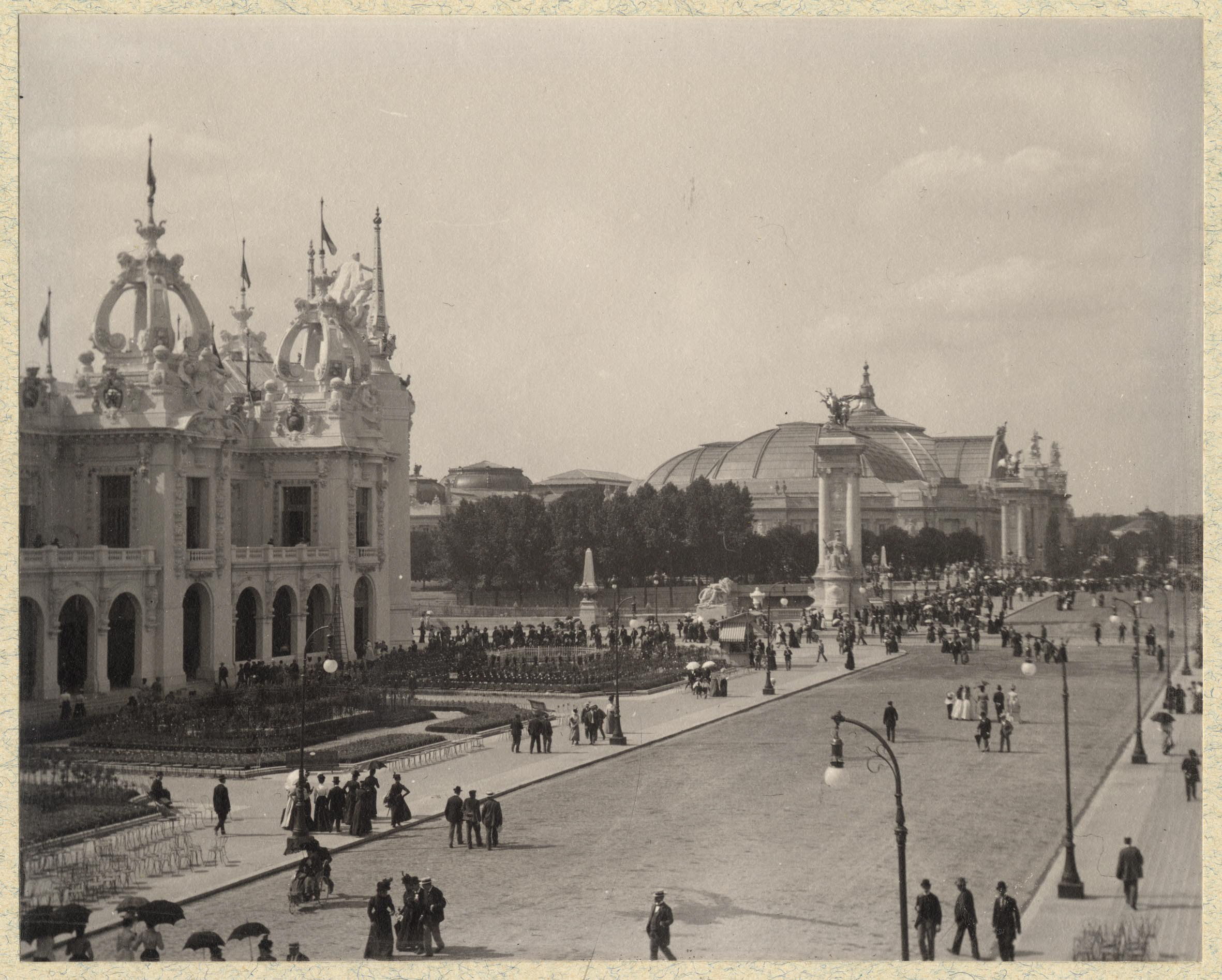
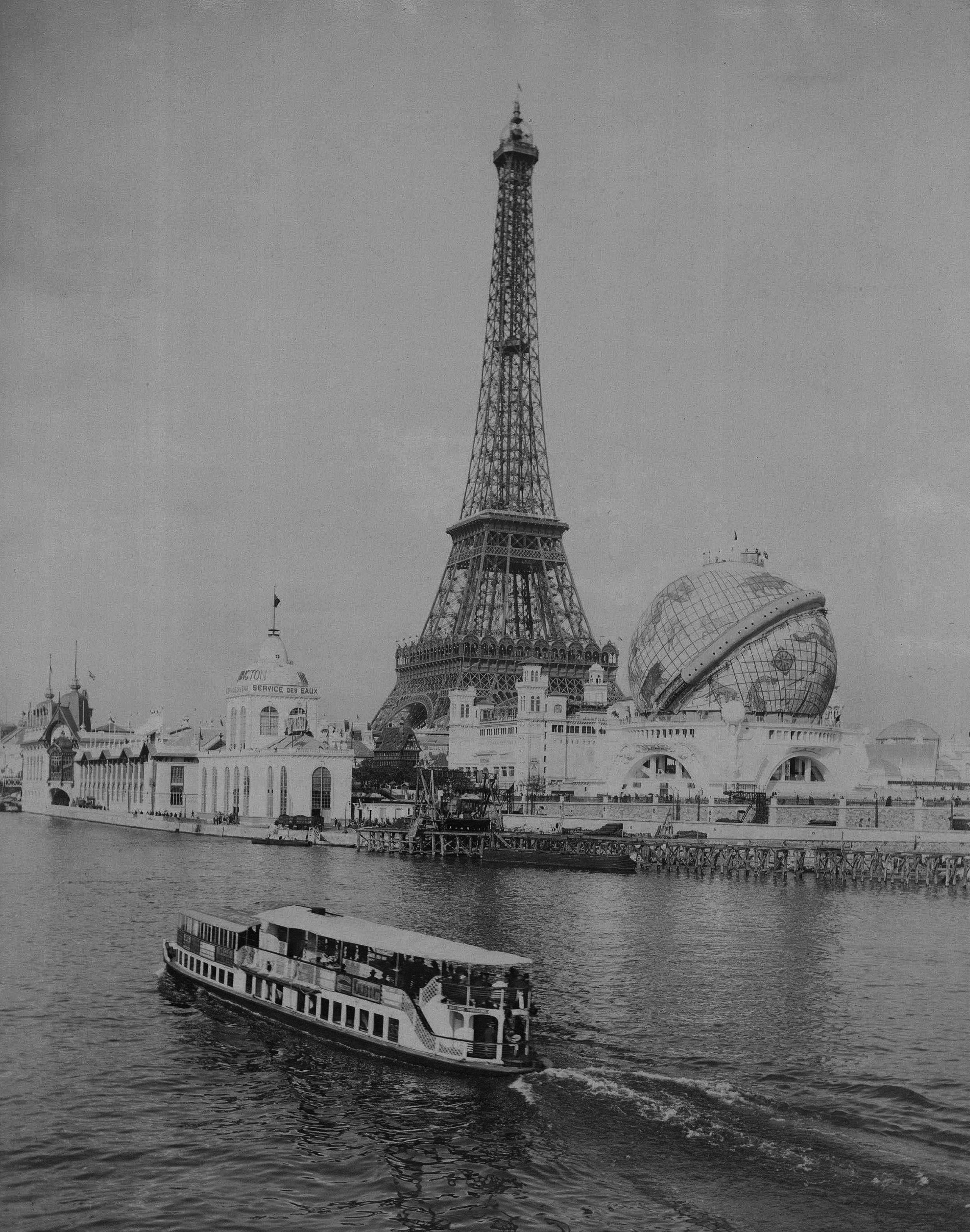
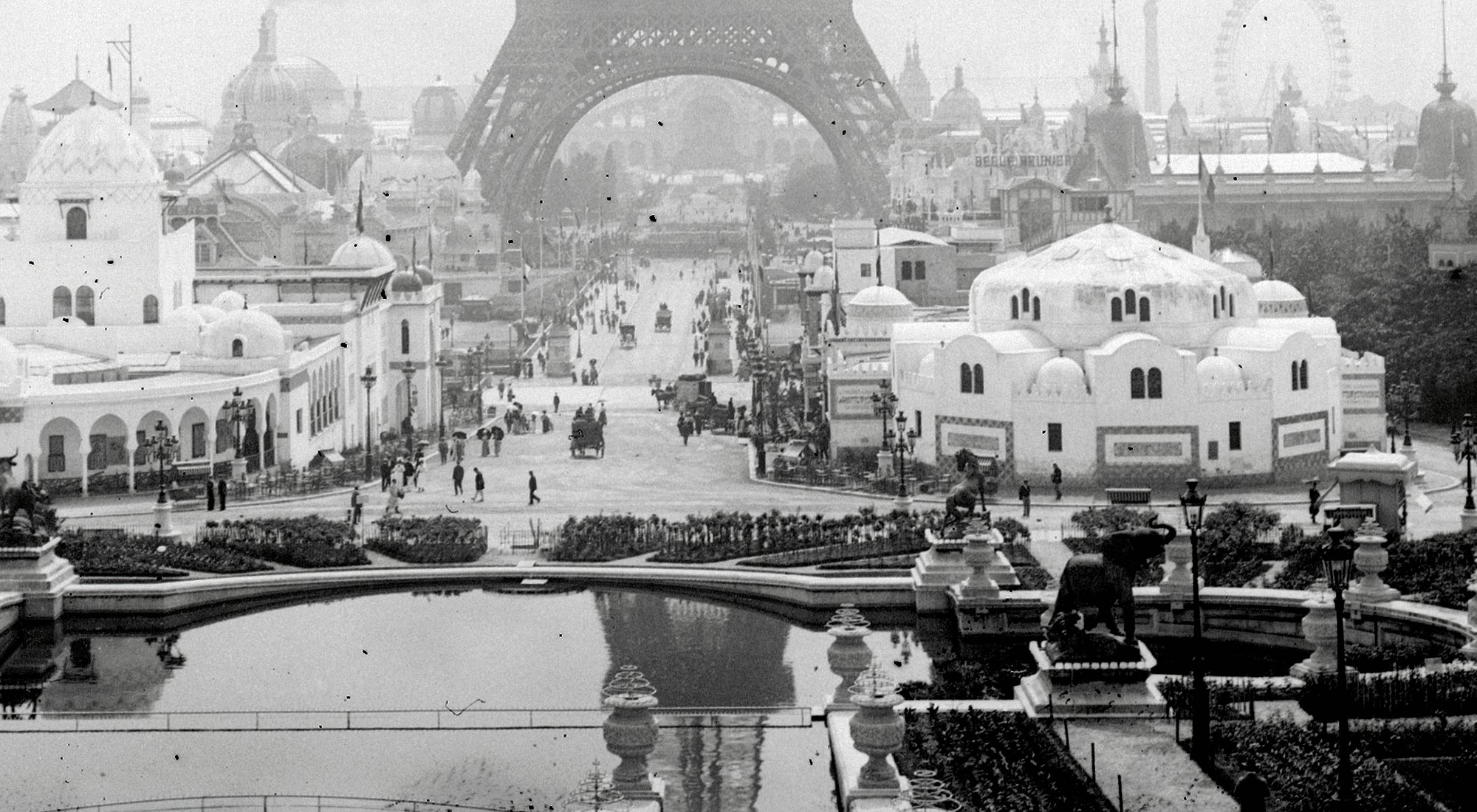
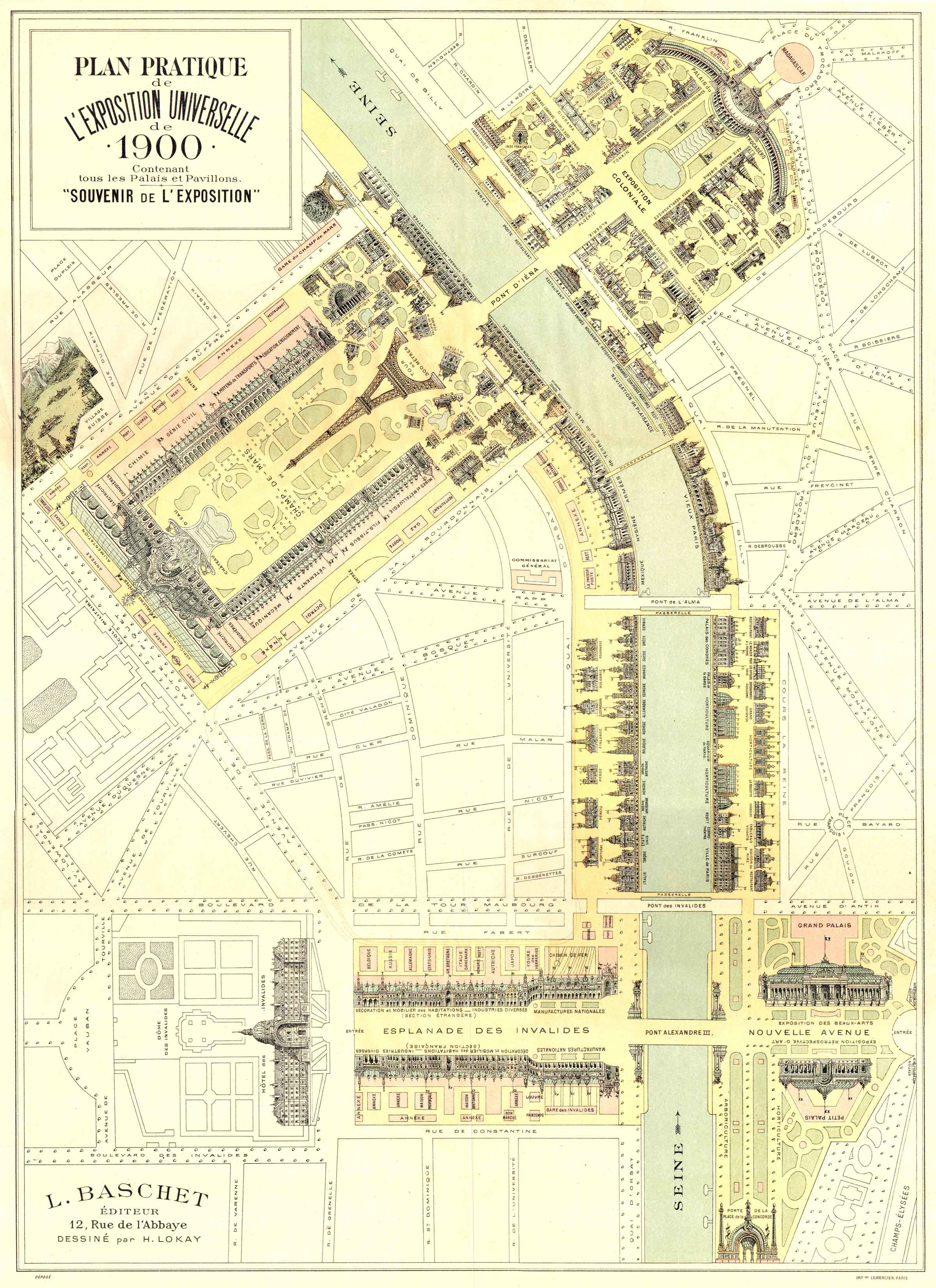
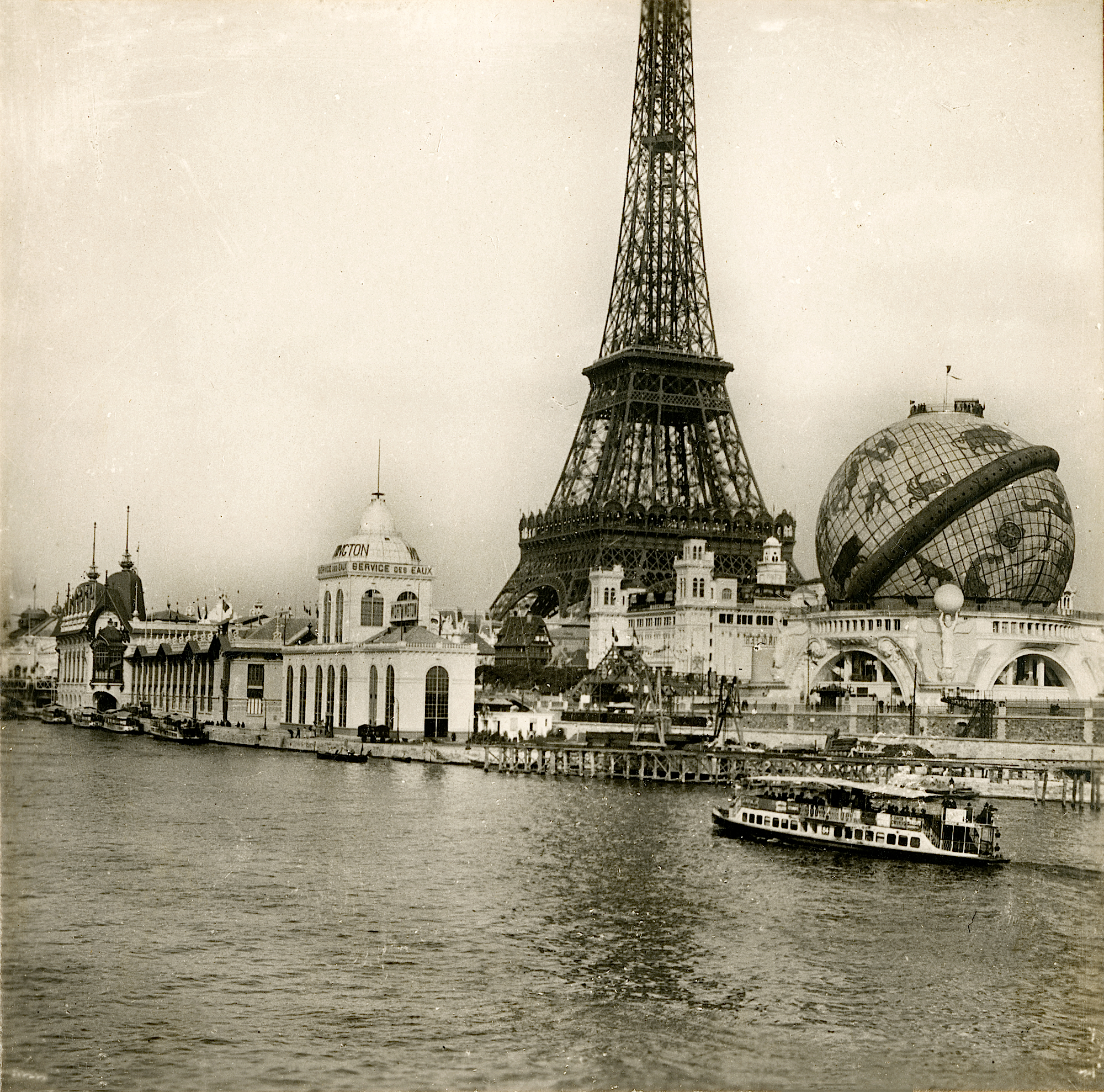
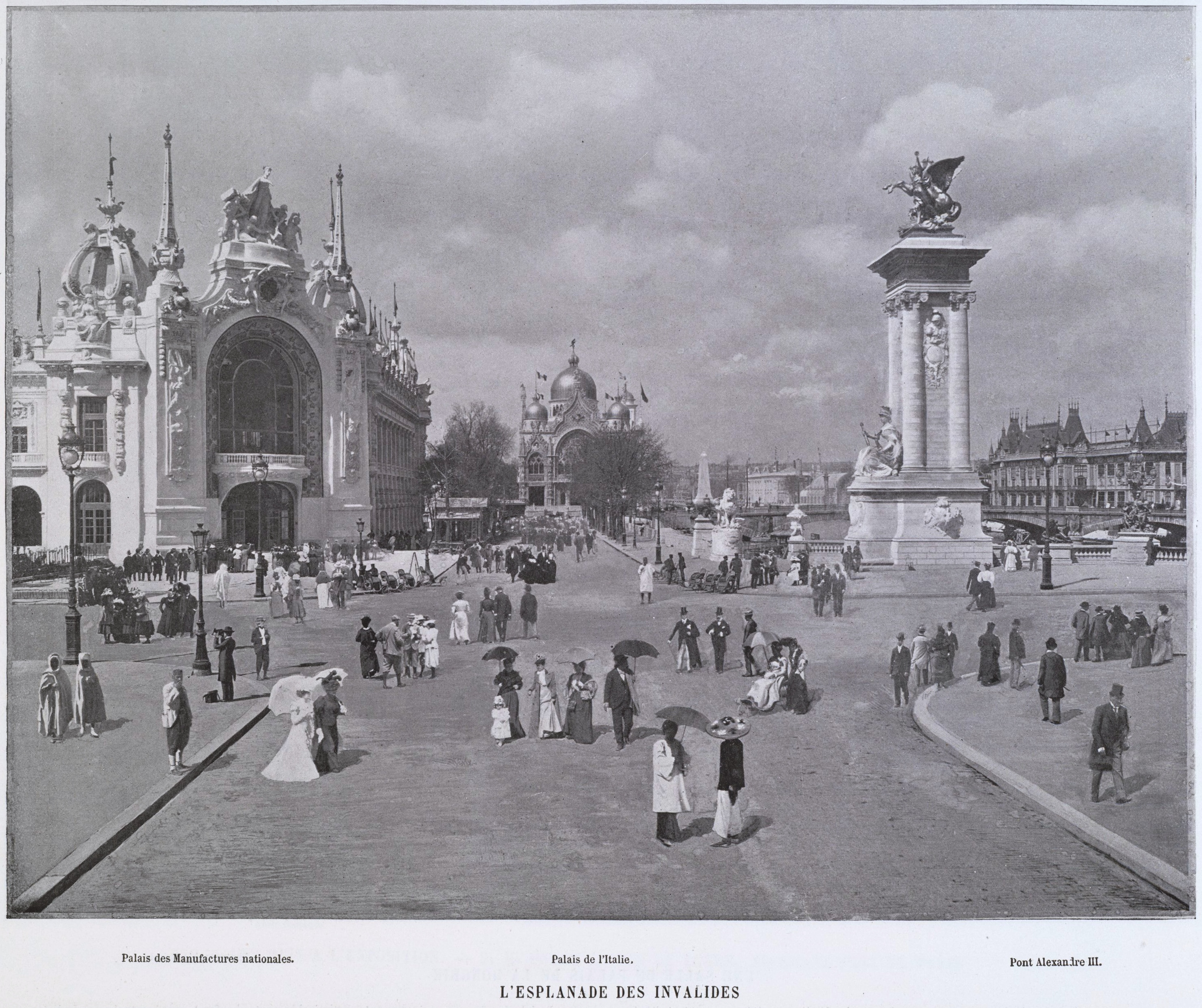
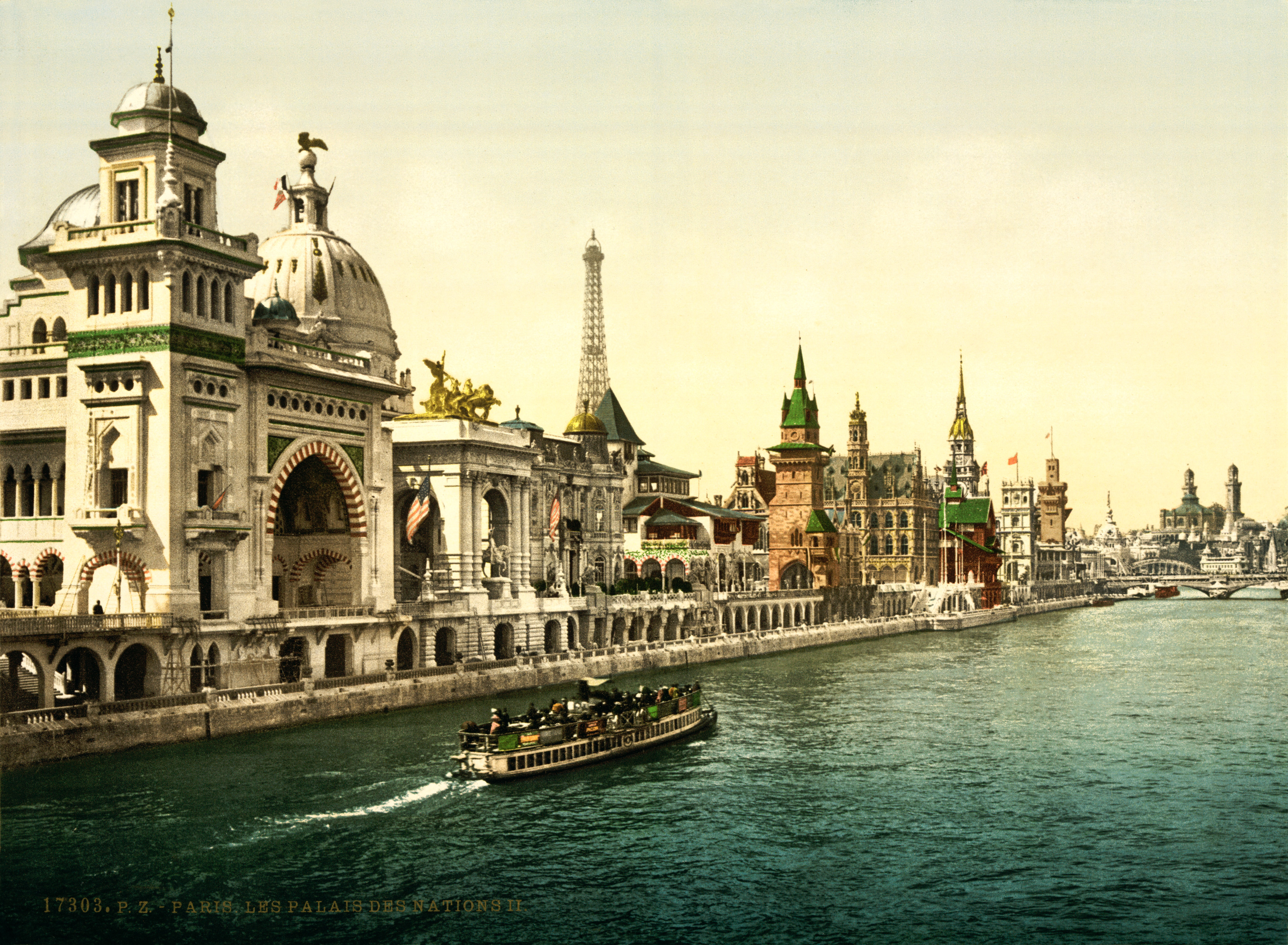
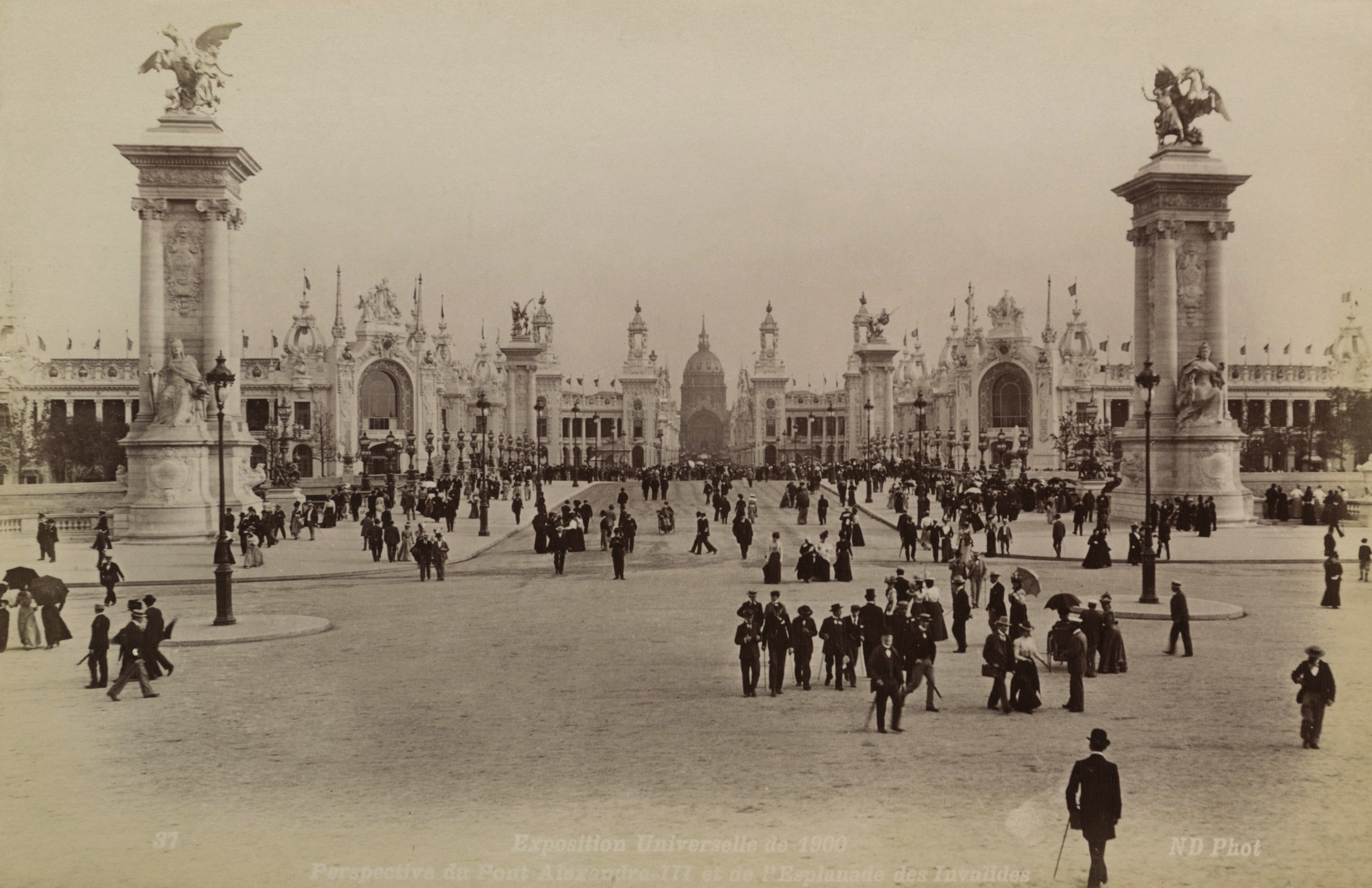
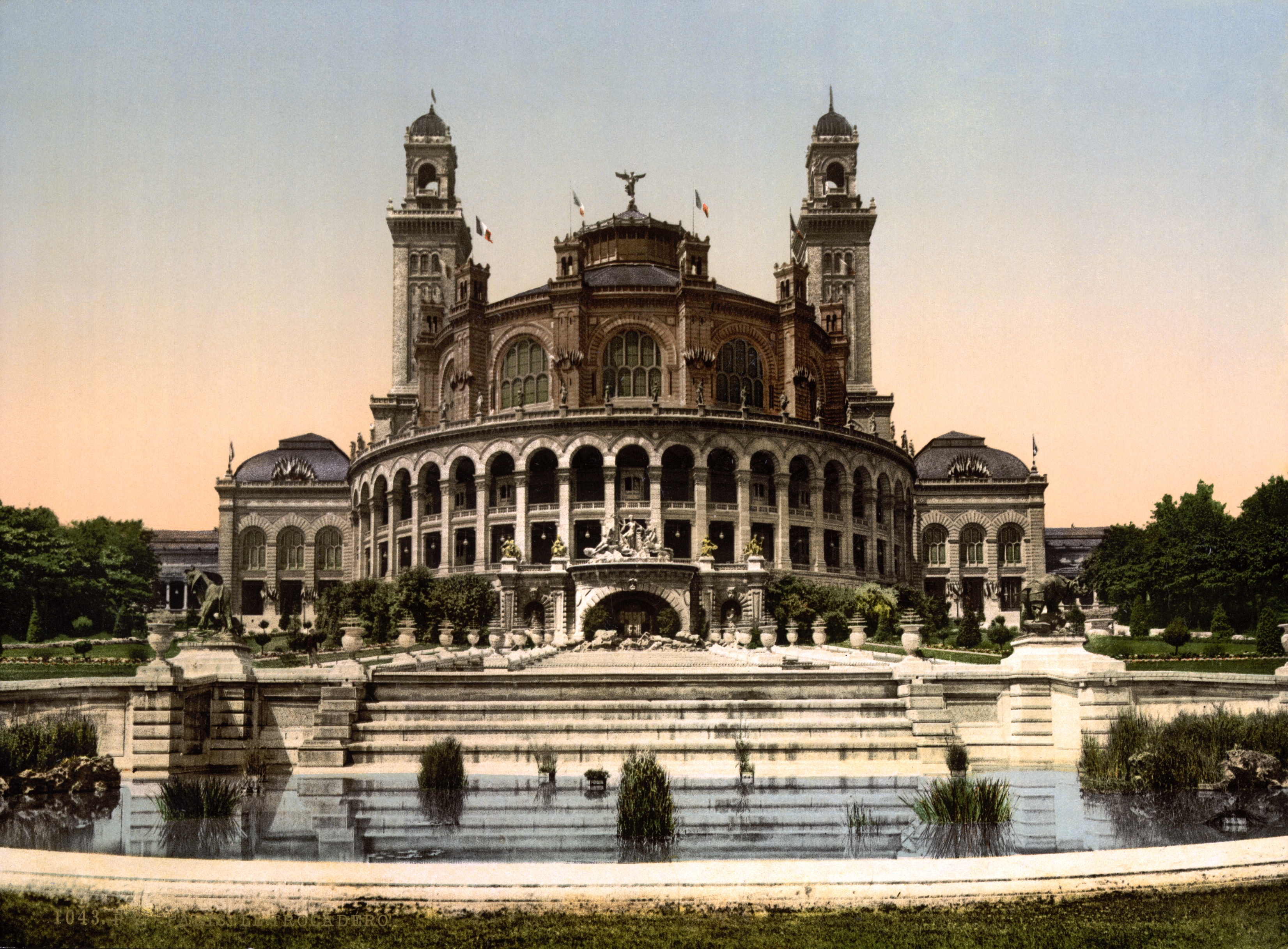
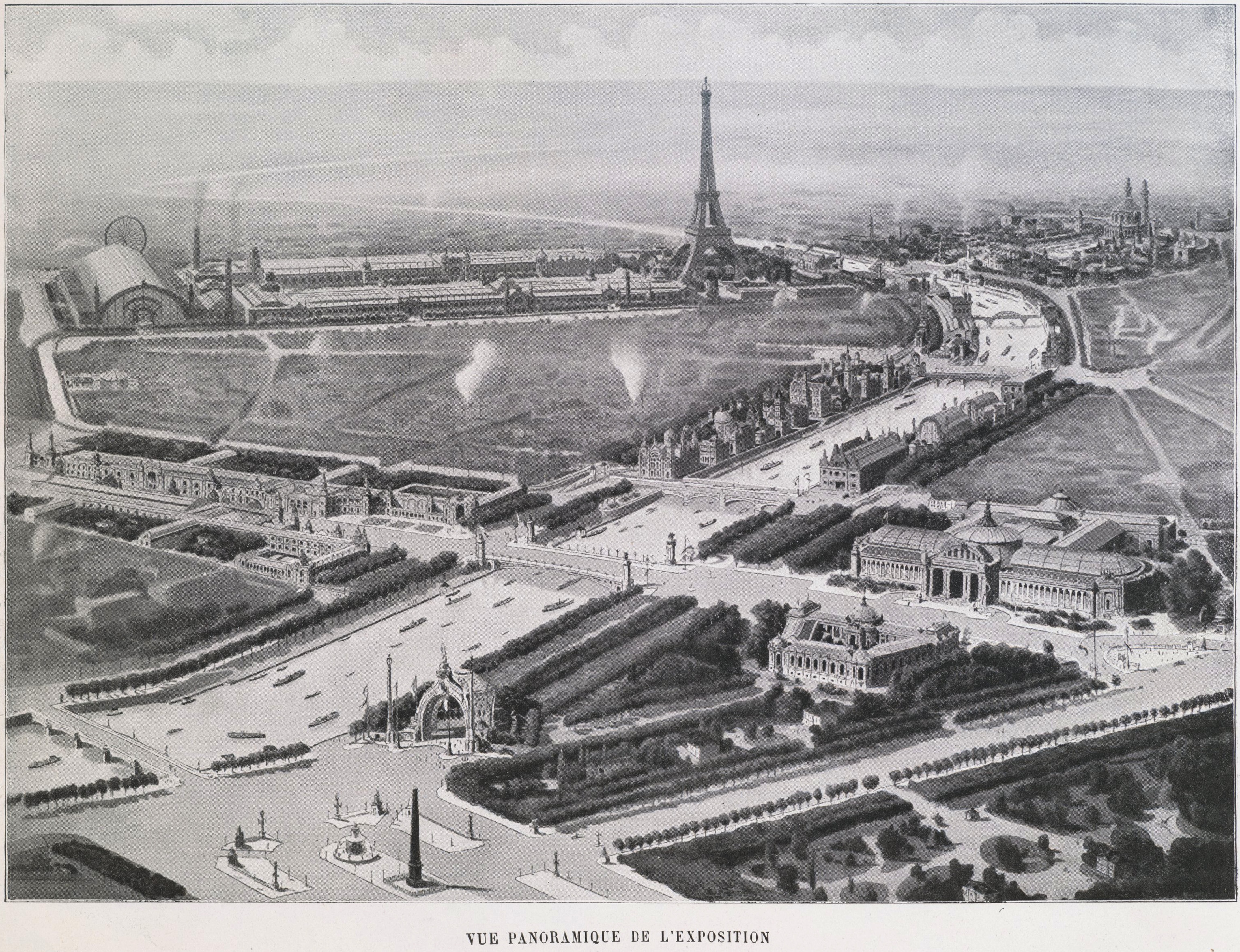
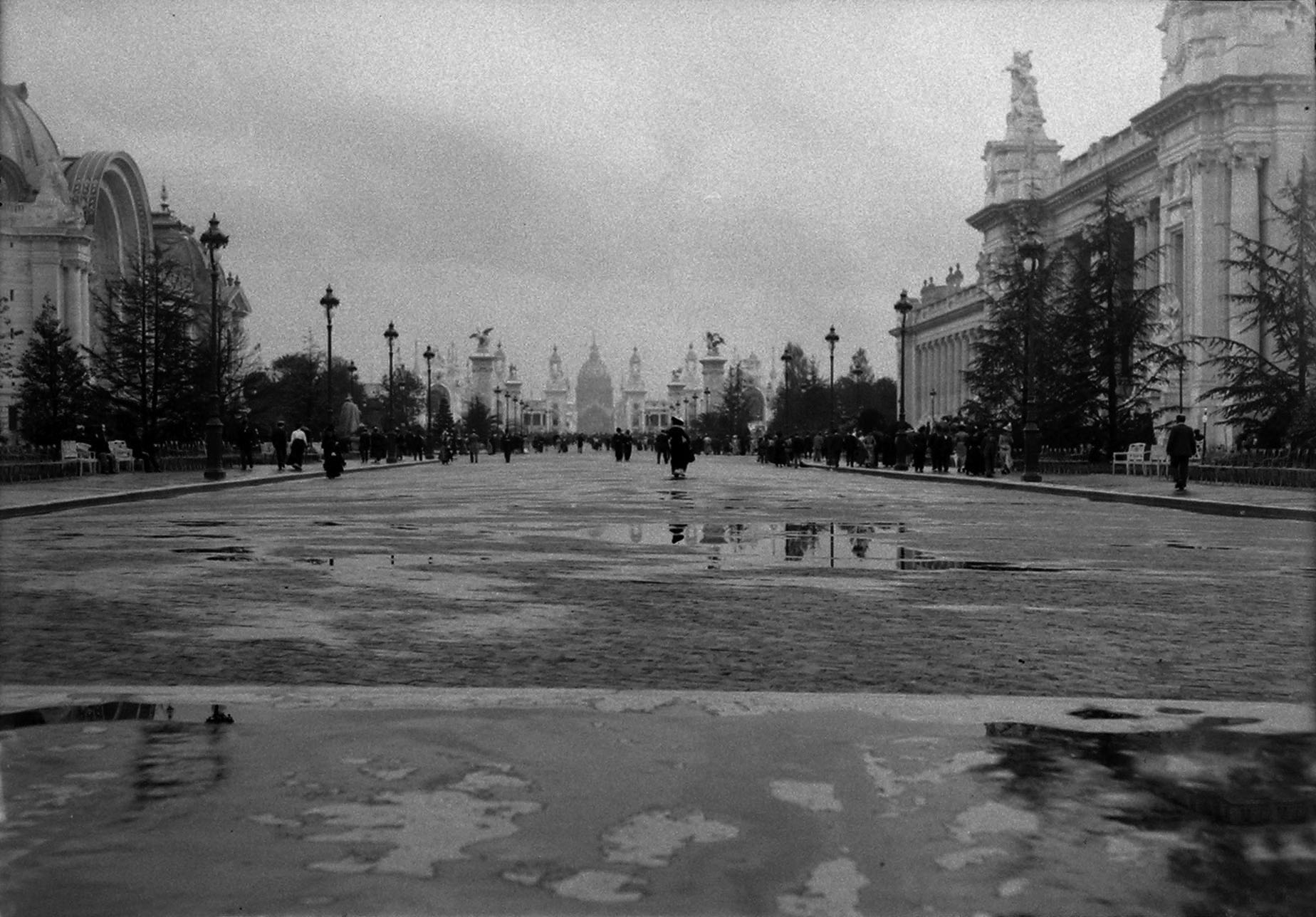
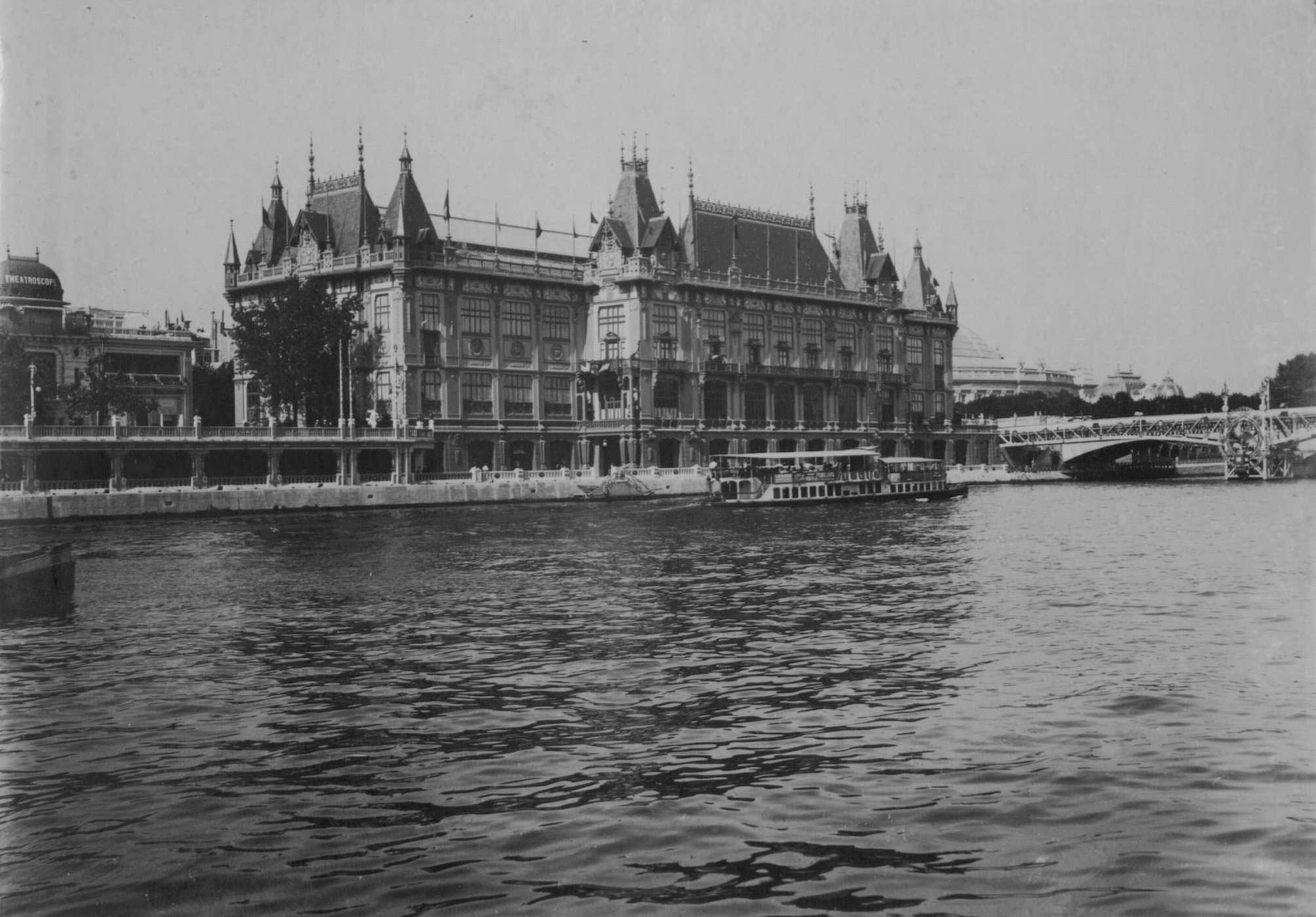
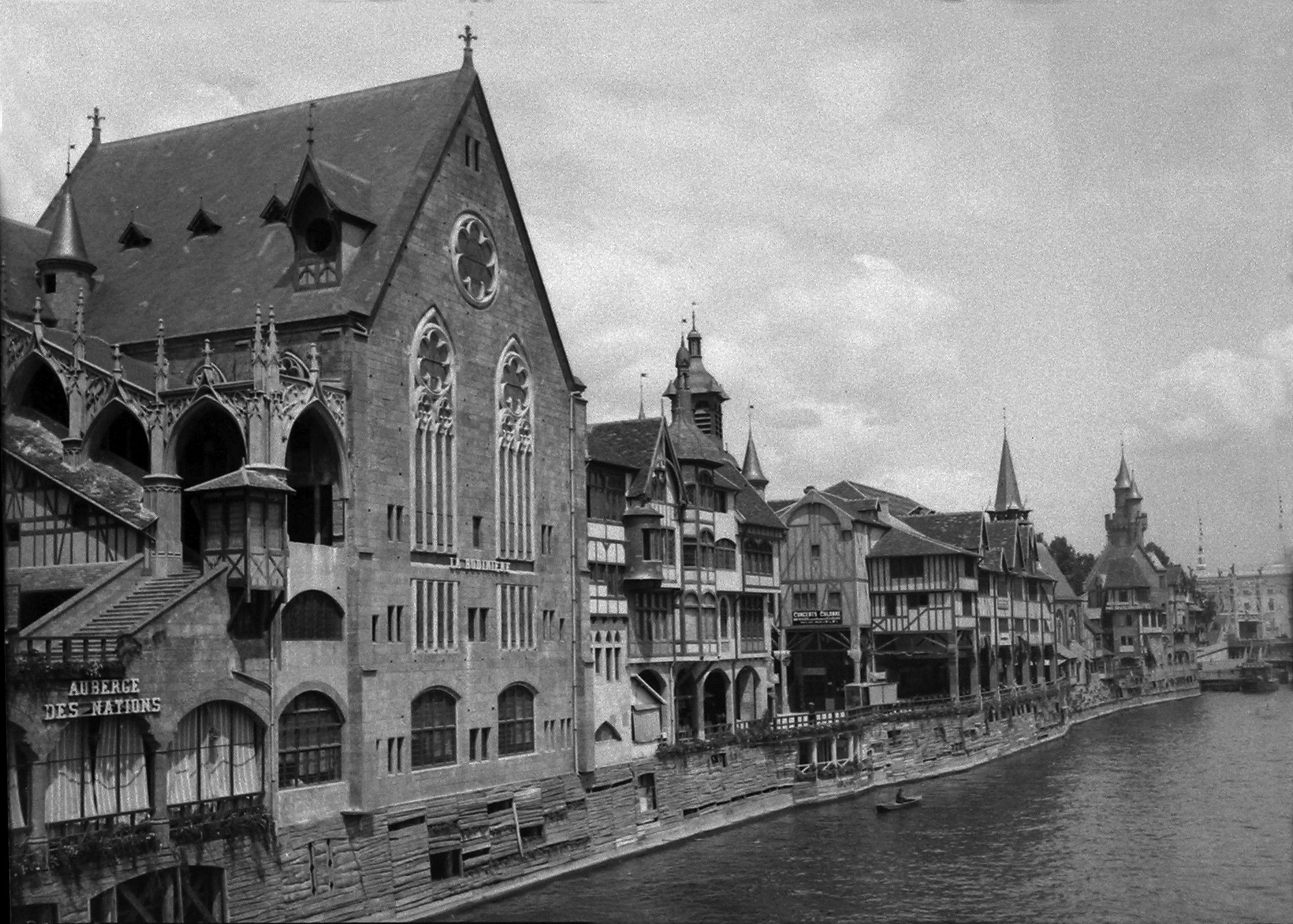
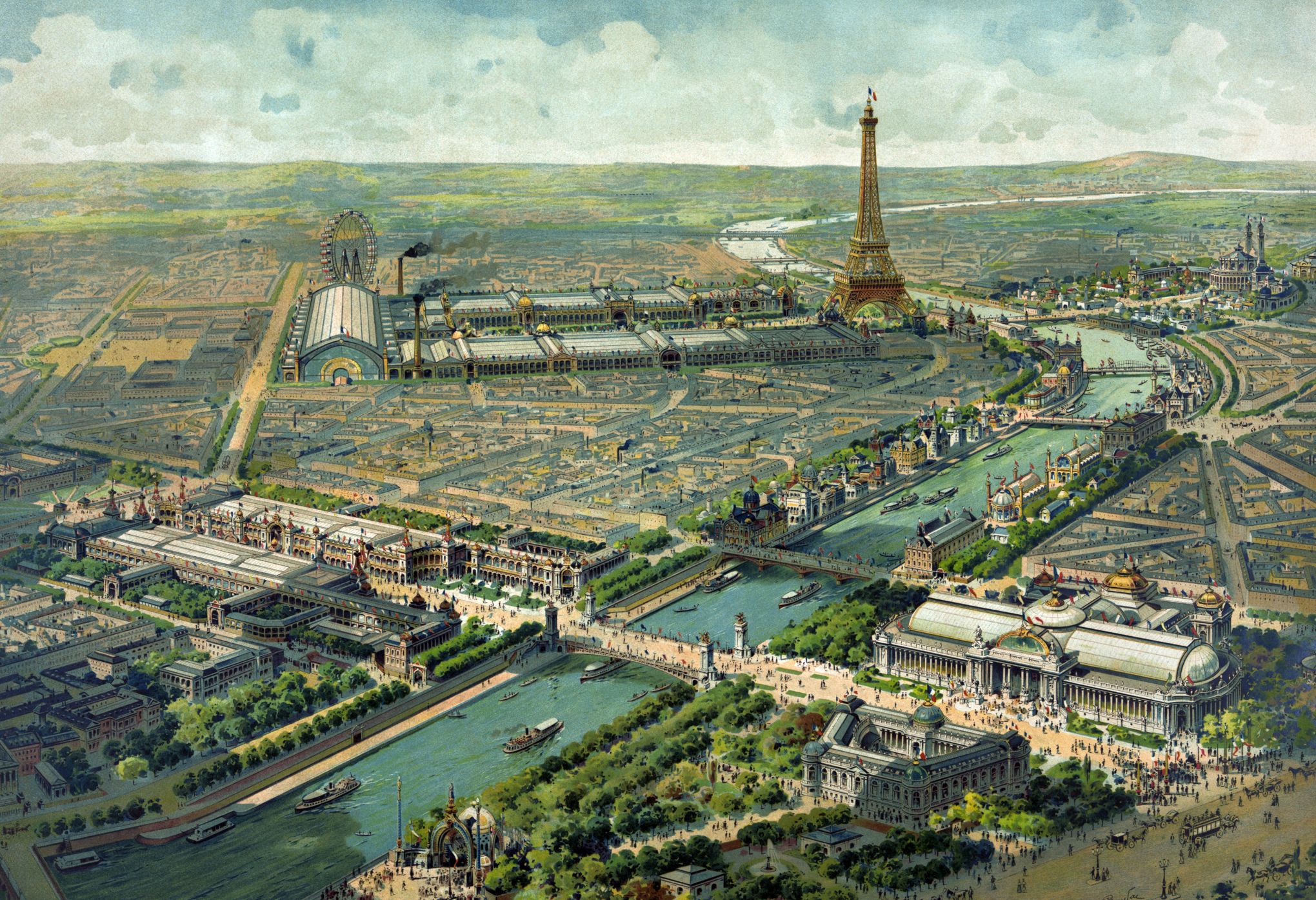
Je me souviens de mes lectures sur l’Exposition Universelle, de ces récits qui évoquaient la grandeur des pavillons et la diversité des cultures représentées. Les jardins des Tuileries, le Champ de Mars et les bords de la Seine étaient transformés en un véritable théâtre de merveilles, où chaque coin recelait une surprise. Le Petit Palais et le Grand Palais, conçus spécialement pour l’occasion, ajoutaient à la magnificence du spectacle.
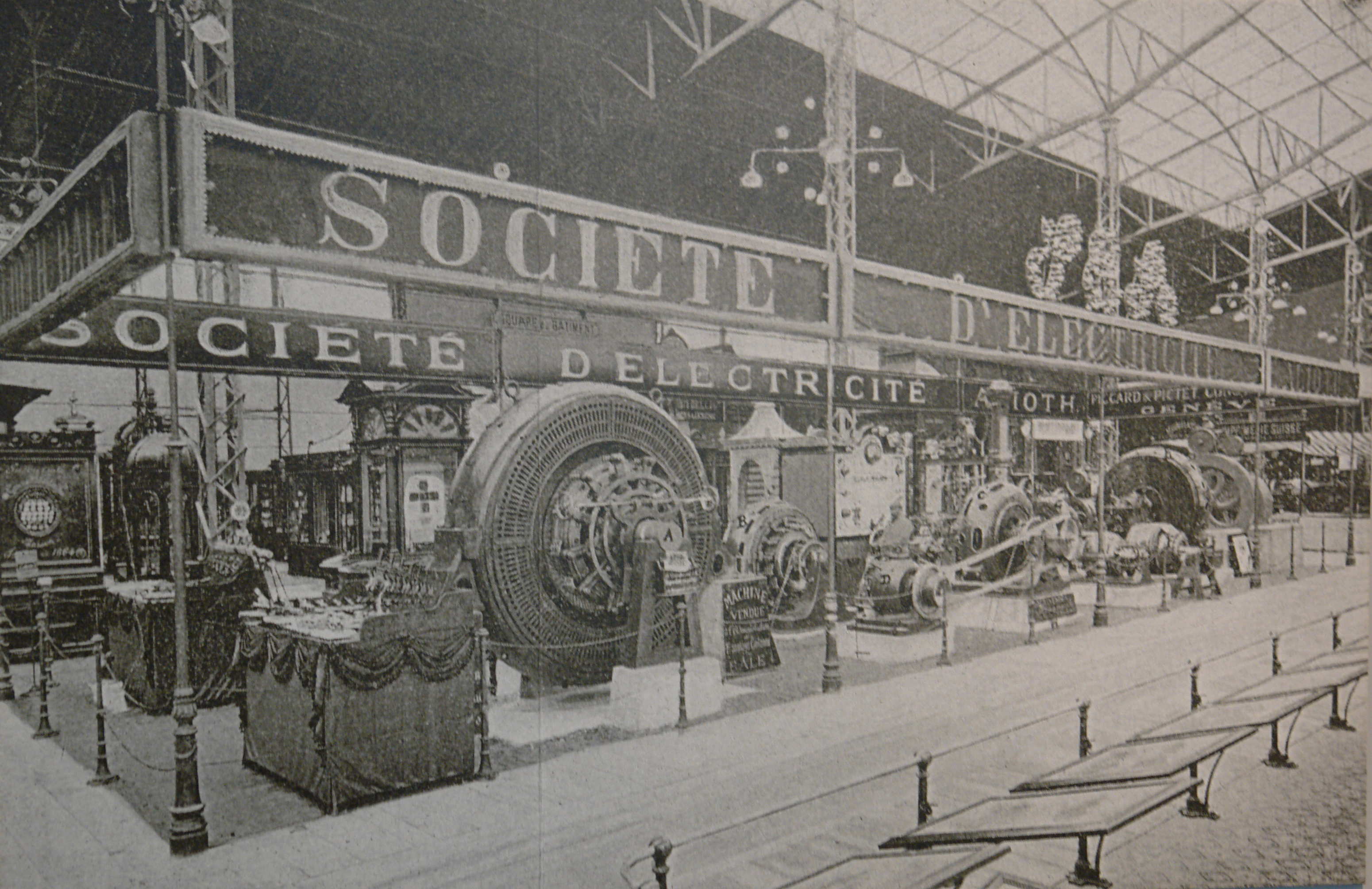
Les anecdotes sur l’Exposition Universelle de 1900 abondent et contribuent à la richesse de son histoire. On raconte que lors de l’inauguration, un ingénieur américain, venu présenter une machine révolutionnaire, fit une démonstration publique qui laissa l’assistance bouche bée. Mais le moteur, trop avancé pour son temps, tomba en panne au bout de quelques minutes, déclenchant les rires des spectateurs. L’ingénieur, loin de se démonter, profita de l’occasion pour faire un discours improvisé sur les défis de l’innovation, récoltant des applaudissements enthousiastes.
La grande roue, érigée pour l’occasion, était un autre point fort de l’exposition. Haute de 100 mètres, elle offrait une vue imprenable sur Paris et attirait des milliers de visiteurs chaque jour. Un jour, un couple de jeunes mariés, profitant de cette attraction, se retrouva bloqué au sommet en raison d’une panne mécanique. Loin de paniquer, ils admirèrent le coucher de soleil sur la ville et transformèrent cette mésaventure en un souvenir inoubliable.
L’Exposition Universelle fut également le théâtre de nombreuses premières mondiales. L’une des plus mémorables fut l’inauguration de la première ligne de métro parisien, qui reliait la porte de Vincennes à la porte Maillot. Les Parisiens, fascinés par cette nouvelle forme de transport, affluèrent en masse pour tester ce moyen de locomotion souterrain. La foule enthousiaste ne put s’empêcher d’applaudir à chaque arrivée en station, témoignant de l’impact de cette innovation sur leur quotidien.
Le Pavillon des Lumières, quant à lui, était un véritable enchantement. Entièrement éclairé à l’électricité, il présentait des inventions aussi incroyables que les premières ébauches de cinéma, attirant l’attention de visionnaires comme Thomas Edison et Louis Lumière. Chaque soir, des projections de films courts émerveillaient les spectateurs, offrant un aperçu de ce que deviendrait un jour le septième art.
Ainsi, l’Exposition Universelle de 1900 n’était pas seulement un événement temporaire. Elle marqua un tournant dans l’histoire de Paris et dans celle de l’humanité. Chaque pavillon, chaque invention, chaque rencontre entre visiteurs de tous horizons contribuait à créer une atmosphère d’espoir et d’enthousiasme. En parcourant les récits de cette époque, on comprend mieux l’impact profond qu’elle eut sur l’imaginaire collectif.
En quittant ces lieux imprégnés de mémoire, le cœur empli de ces histoires merveilleuses, on emporte avec soi un fragment de cette grandeur, une part de cette lumière intemporelle. L’Exposition Universelle de 1900, par sa majesté et son innovation, nous rappelle que Paris est une ville où le passé et le futur se conjuguent pour offrir à ses habitants et à ses visiteurs des moments de grâce et de contemplation.[:en]
The Exposition Universelle of 1900, held in Paris, remains etched in the annals as a moment of splendor and innovation, where the entire world seemed to gather in the City of Light. This grand event, celebrating the turn of the new century, was a true symbol of modernity and human ambition.
The idea for this exposition was born in an era of technological and artistic fervor, marked by an unshakeable belief in progress. It was a time when people believed that the 20th century would bring solutions to all of humanity’s problems. Paris, with its elegance and capacity to enchant, was the ideal host for this global event.
I recall my readings about the Exposition Universelle, those accounts that evoked the grandeur of the pavilions and the diversity of the cultures represented. The Tuileries Gardens, the Champ de Mars, and the banks of the Seine were transformed into a true theater of wonders, where every corner held a surprise. The Petit Palais and the Grand Palais, designed specifically for the occasion, added to the magnificence of the spectacle.
Anecdotes about the 1900 Exposition Universelle abound and contribute to the richness of its history. It is said that during the inauguration, an American engineer, who came to present a revolutionary machine, gave a public demonstration that left the audience in awe. But the engine, too advanced for its time, broke down after a few minutes, causing the spectators to laugh. The engineer, undeterred, used the opportunity to give an impromptu speech about the challenges of innovation, earning enthusiastic applause.
The Ferris wheel, erected for the occasion, was another highlight of the exposition. Standing 100 meters tall, it offered a breathtaking view of Paris and attracted thousands of visitors every day. One day, a newlywed couple, enjoying the attraction, found themselves stuck at the top due to a mechanical failure. Far from panicking, they admired the sunset over the city, turning the mishap into an unforgettable memory.
The Exposition Universelle was also the stage for many world firsts. One of the most memorable was the inauguration of the first Parisian metro line, connecting Porte de Vincennes to Porte Maillot. Parisians, fascinated by this new form of transport, flocked in droves to test the underground mode of travel. The enthusiastic crowd couldn’t help but applaud at every station arrival, highlighting the impact of this innovation on their daily lives.
The Pavillon des Lumières, for its part, was a true enchantment. Fully illuminated by electricity, it showcased inventions as incredible as the first drafts of cinema, drawing the attention of visionaries like Thomas Edison and Louis Lumière. Every evening, short film screenings amazed spectators, offering a glimpse of what would one day become the seventh art.
Thus, the Exposition Universelle of 1900 was not merely a temporary event. It marked a turning point in the history of Paris and humanity. Each pavilion, each invention, each encounter among visitors from all horizons contributed to creating an atmosphere of hope and enthusiasm. Reading the accounts of that time, one better understands the profound impact it had on the collective imagination.
Leaving these memory-laden places, heart filled with wonderful stories, one carries away a fragment of that grandeur, a part of that timeless light. The Exposition Universelle of 1900, with its majesty and innovation, reminds us that Paris is a city where the past and future come together to offer its inhabitants and visitors moments of grace and contemplation.[:]